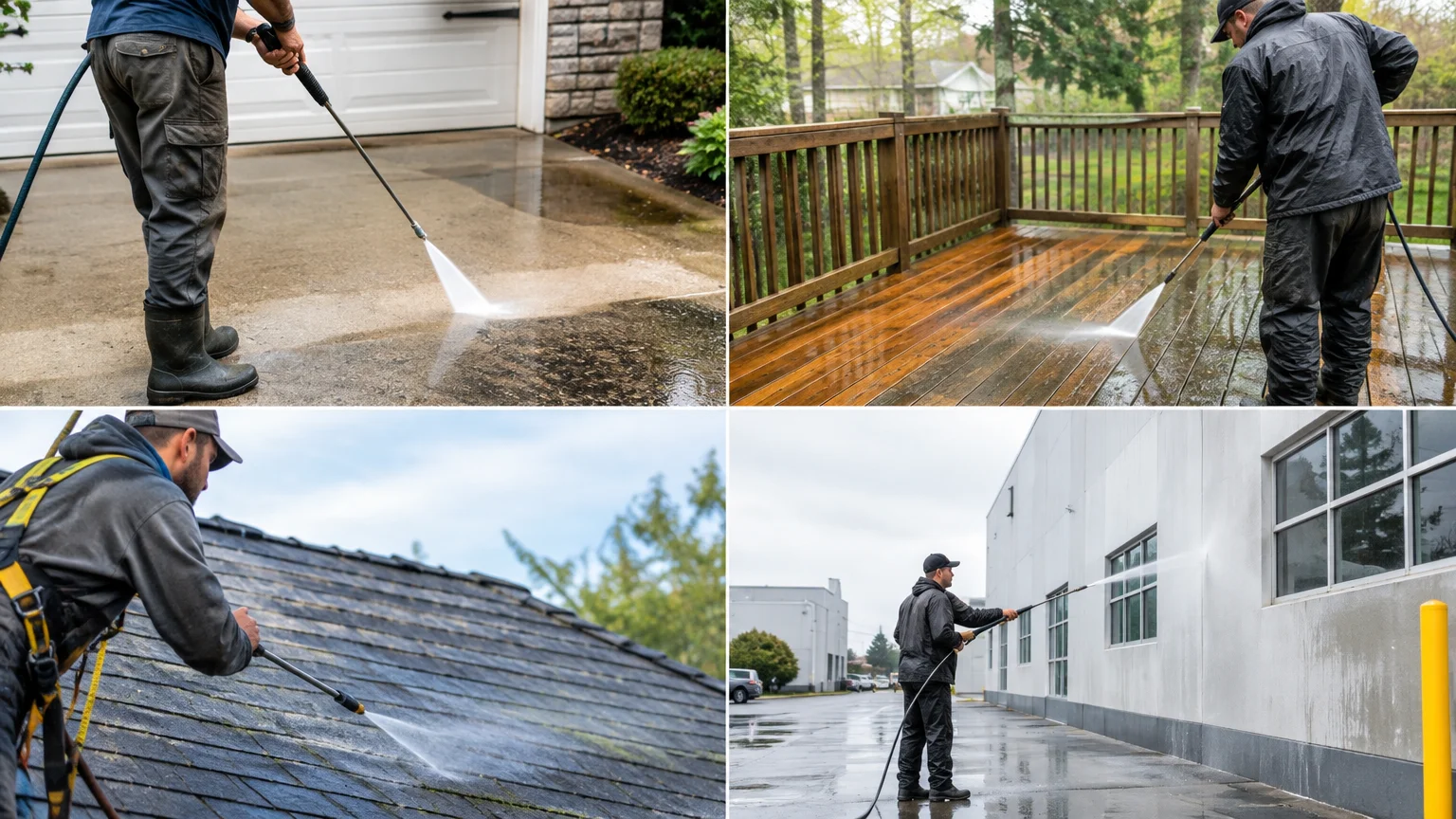
A pressure washing water reclaim system captures dirty wash water before it reaches storm drains, soil, or nearby waterways. Commercial sites may need one when water contains oil, grease, dirt, paint, or cleaning products. The right plan helps protect the property, follow local rules, and support safer pressure washing in Smyrna.
Table of Contents
- What Is a Pressure Washing Water Reclaim System?
- Why Do Commercial Pressure Washing Runoff Rules Matter?
- Where Can Pressure Washing Wastewater Be Discharged?
- How Is Wastewater Captured During Commercial Pressure Washing?
- What Documentation Should a Commercial Client Expect?
- How Can Property Owners Prepare for Runoff-Compliant Cleaning?
- How Do You Choose a Commercial Pressure Washing Provider?
- Frequently Asked Questions
What Is a Pressure Washing Water Reclaim System?
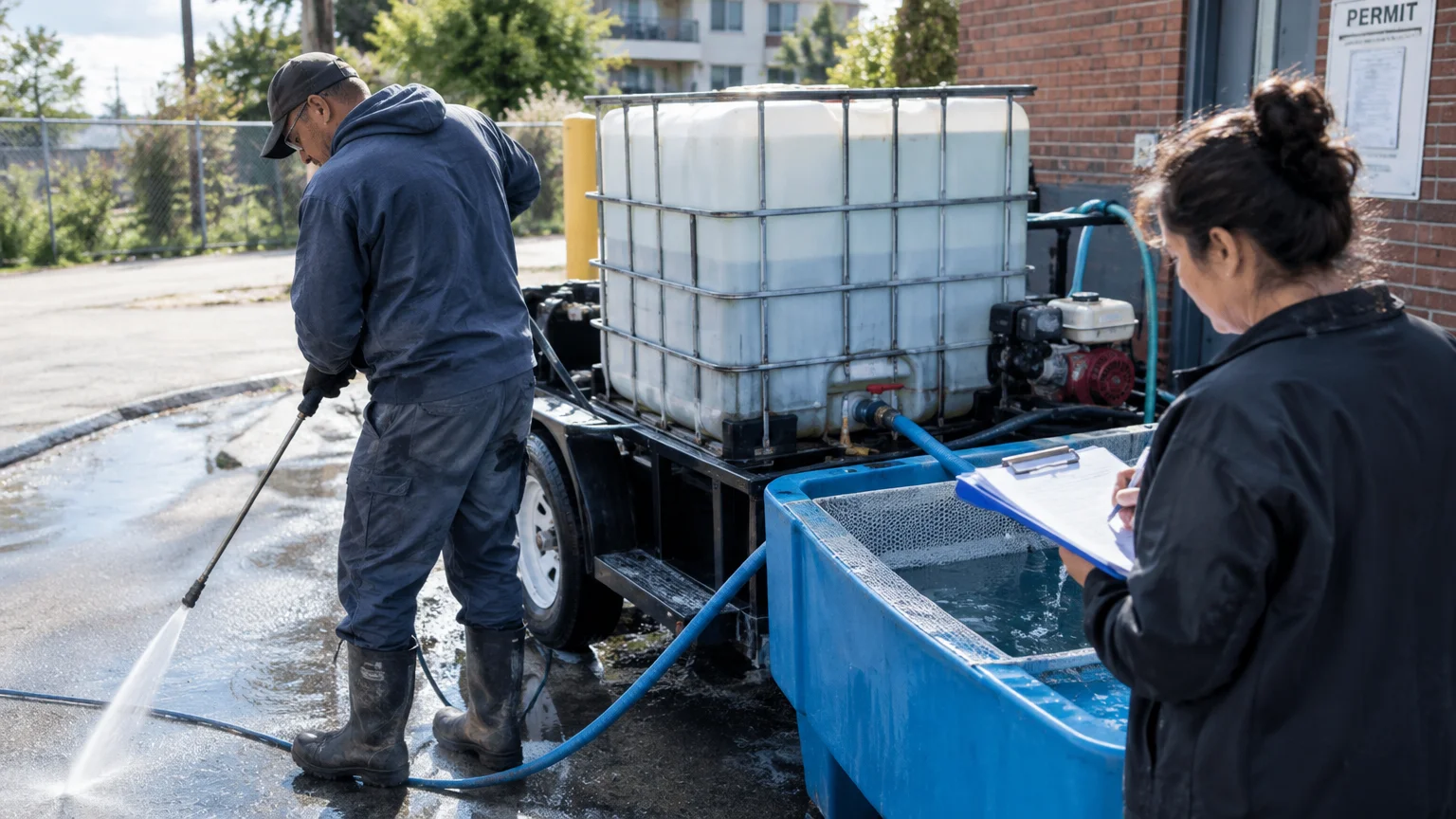
A pressure washing water reclaim system collects used wash water before it enters a storm drain, soil, or nearby stream. It may use berms, drain covers, vacuum tools, filters, tanks, pumps, and hoses. The setup depends on the surface, site layout, water flow, and local disposal rules.
Water reclamation means more than stopping visible runoff. Runoff control may guide water away from a drain or block one path. Reclamation captures the water and moves it to an approved place. This matters when wash water contains oil, food waste, heavy dirt, paint, or cleaning chemicals.
How water reclamation differs from ordinary runoff control
Runoff control keeps dirty water from spreading across a site. Reclamation goes further by recovering that water for treatment, approved sewer discharge, or proper disposal. A crew may first sweep or remove loose dirt and debris. This lowers the amount of solid waste that enters the recovery equipment.
A pressure washing water reclaim system can be simple or highly specialized. A small storefront may need drain covers and a vacuum unit. A large parking area may need several berms, collection points, holding tanks, and a planned discharge route. The goal is always the same: keep dirty water out of places where it does not belong.
Which commercial projects may require reclamation
Reclamation may be needed for restaurants, fuel stations, parking garages, loading docks, warehouses, and busy sidewalks. It may also apply when a site has oil stains, grease, gum, or strong cleaning products. Pressure Washing Smyrna can help property owners review the site and choose a suitable capture plan.
The need does not depend only on how dirty a surface looks. A clean-looking area may still have oil or fine sediment. The type of work also matters. House washing and soft washing may use a different water plan than a greasy loading dock or restaurant sidewalk.
Why Do Commercial Pressure Washing Runoff Rules Matter?
Runoff rules matter because storm drains often carry water to streams, lakes, or rivers. They may not provide the treatment used by sanitary sewers. Dirty wash water can carry sediment, oil, grease, metals, food waste, and detergents. The U.S. Environmental Protection Agency explains how stormwater controls help limit pollutants.
A clean-looking lot can still create a problem during washing. Dark water may contain oil from cars. Restaurant sidewalks may hold fats and food scraps. Building walls may release paint chips, mildew, or heavy dirt. These materials can harm water quality and may break local discharge rules.
How detergents, oil, grease, and sediment affect storm drains
Detergents can change water conditions and carry loosened dirt farther from the work area. Oil and grease can coat surfaces and harm aquatic life. Sediment can cloud water and settle in drain pipes. Small amounts may become a larger concern when the same site is cleaned again and again.
Runoff can also create a slip risk on sidewalks, ramps, and entrances. It may stain plants or flow into another tenant’s space. A careful contractor decides where water will go before cleaning begins. That plan is part of good commercial pressure washing, not a last-minute task.
Potential consequences of uncontrolled wastewater discharge
The results vary by location and by the material in the water. A business may face cleanup work, complaints, work delays, or action from an agency. It may also need to explain the event to a property owner, manager, tenant, or local office.
Prevention is the safer choice. Property owners should ask how the crew will block drains, collect wastewater, handle recovered water, and record disposal. These questions make the work plan clear before equipment reaches the site.
Where Can Pressure Washing Wastewater Be Discharged?
Pressure washing wastewater should go only to a place allowed by the local authority, utility, or property rules. Possible options include an approved sanitary sewer connection, a treatment point, or a licensed disposal facility. A storm drain is not automatically an approved discharge point.
The correct destination depends on what the water contains and where the work takes place. Rules for clean rainwater do not always apply to water used on concrete, equipment areas, or restaurant sidewalks. A contractor may need to contain, test, filter, or remove the water instead of sending it into a drain.
Storm drains, sanitary sewers, and landscaped areas
Storm drains move water away quickly, but speed does not make dirty wash water safe. Sanitary sewer discharge may be allowed in some areas with approval and controls. A landscaped area may suit limited clean water in some settings. It is not a general answer for water containing oil, grease, chemicals, or heavy sediment.
Property owners should not assume one rule covers every site. A shopping center, hotel, and office park may have different drains, owners, permits, or site policies. The main Smyrna area, including Williams Park, Vinings Estates, Vinings, Mableton, Marietta, Cumberland, and nearby communities, may include places with different requirements. The provider should confirm the plan for each property.
Why local requirements can differ
Municipal sewer agencies, stormwater departments, landlords, and property managers may set separate conditions. Some may need advance notice. Others may ask for written approval, pretreatment, or records showing where recovered water went.
A reliable provider asks these questions before washing begins. Which drains are storm drains? Is sewer discharge allowed? Who gives approval? What materials are on the surface? Are tenant hours or safety rules involved? Clear answers help prevent rushed choices during cleaning.
How Is Wastewater Captured During Commercial Pressure Washing?
Crews capture wastewater with a planned mix of barriers, drain covers, hoses, vacuums, pumps, tanks, and filters. The site should be checked first. The crew should find low points and map the path water would naturally take. Equipment can then be placed before washing starts.
Common tools include temporary berms, weighted mats, drain inserts, wet vacuums, recovery surface cleaners, transfer pumps, and storage tanks. The best choice depends on water flow, slope, access, traffic, and loose debris. A pressure washing water reclaim system must match the site, not only the spray machine.
Common recovery equipment and containment methods
Berms form a temporary edge around a work area. Drain covers stop water from entering nearby inlets. Vacuum hoses collect water at the edge of the surface. Tanks hold the water until the crew can move it to an approved location.
Filters may remove solid pieces before water enters a tank or approved sewer connection. They do not make every kind of wastewater safe to discharge. Oil, grease, chemicals, and other pollutants may need separate handling. The provider should explain the job of each part of the setup.
Planning for complex commercial surfaces
Loading docks may need extra barriers because water can move toward doors or truck lanes. Parking lots often need several collection points because they cover wide areas and have sloped pavement. Storefronts need care near public sidewalks, entrances, plants, and nearby businesses.
Uneven concrete can leave low spots where water gathers. A crew may need to pause, move equipment, or add another vacuum point. Good planning also includes cones, signs, safe hose placement, and a way to keep people away from wet areas. These steps protect people and the property.
What Documentation Should a Commercial Client Expect?
Commercial clients should receive clear information about the work plan, safety steps, and wastewater method. The exact documents depend on the job and local rules. A provider should explain what applies instead of claiming that one form fits every property.
Useful records may include a site review, written scope, proof of insurance, training details, product safety information, disposal records, and discharge approval when required. The client should know who must secure permission and keep records. This helps property managers report work to owners or tenants.
Permits, disposal records, and safety information
A permit may be needed for some discharges, facilities, or work areas. Disposal records can show the date, location, waste type, and receiving facility. Safety information helps the property team understand detergent use, wet floors, blocked access, and emergency steps.
Not every project needs the same paperwork. Still, vague answers can be a warning sign. A qualified provider should describe the records it normally supplies. It should also identify any items the property owner must obtain.
Questions to ask before work begins
Property owners can ask:
- Where will the wastewater go after capture?
- Which drains are storm drains, and how will the crew protect them?
- What equipment will collect water from low spots?
- Are approvals or discharge limits required at this site?
- Will the provider give disposal or completion records?
- How will the crew protect tenants, visitors, doors, and landscaping?
These questions create a shared plan. They also help owners compare providers by preparation, not only by the look of the finished surface.
How Can Property Owners Prepare for Runoff-Compliant Cleaning?
Property owners can make compliant cleaning easier by sharing site details before the crew arrives. Useful information includes drain locations, water access, tenant hours, delivery times, security rules, traffic patterns, and areas with oil or grease. Photos or a short site walk can show problems early.
The property team should name the person who can approve water discharge decisions. That person may be a facilities manager, landlord, tenant representative, or utility contact. Early planning gives the provider time to confirm rules and bring the right recovery equipment.
Site details and access information to provide
The crew should know about locked gates, narrow drive lanes, low-clearance garages, loading schedules, sensitive plants, and public entrances. The owner should point out areas where water cannot collect. This helps protect doors, ramps, nearby spaces, and customer paths.
Loose trash and large debris should be removed when possible. The property team should also secure items that water could move. These simple steps improve safety and help the recovery system work without a blockage.
How recurring maintenance plans can include reclamation
Recurring service plans should explain how wastewater will be captured during each visit. The plan can list work zones, approved discharge points, access windows, contact people, and records to keep. It should also allow changes when the property layout or local rule changes.
A hotel, restaurant, or retail center may need different steps for sidewalks, loading areas, parking surfaces, and building walls. Regular planning can reduce disruption while keeping the same focus on runoff control. Pressure Washing Smyrna can help property owners create a plan around the site’s needs.
How Do You Choose a Commercial Pressure Washing Provider?
A strong provider explains water recovery before work starts. The company should ask about drains, surface pollutants, access, nearby waterways, and discharge approval. It should also show that its equipment, training, insurance, and work plan fit commercial properties.
Property owners should look for clear answers instead of broad promises. A provider that can explain its pressure washing water reclaim system in plain words is easier to manage on a busy site. The same care applies to Commercial Pressure Washing, Building Washing Services, Concrete Cleaning Services, and other related work.
Evaluating equipment, training, insurance, and compliance practices
Ask whether the crew carries drain covers, containment barriers, recovery vacuums, pumps, tanks, and suitable filters. The provider should explain how it handles oil, grease, chemicals, sediment, and unexpected runoff. It should also have a plan for wet-surface safety and public access.
Training matters because equipment alone does not ensure proper control. Insurance helps protect the parties involved, but it does not replace discharge planning. The provider should name the person who makes runoff decisions and keeps required records.
Key takeaways for planning a compliant cleaning project
- Inspect first: Find drains, slopes, low spots, entrances, and sensitive areas.
- Capture dirty water: Use barriers, drain covers, vacuums, pumps, tanks, or filters as needed.
- Confirm discharge rules: Ask the local authority or utility before sending wastewater anywhere.
- Keep records: Retain approvals, disposal details, safety information, and completion notes.
- Choose prepared providers: Look for suitable equipment, training, insurance, and clear answers.
Conclusion
Runoff compliance starts before the pressure washer turns on. A clear site plan helps protect storm drains, public areas, plants, tenants, and the owner’s records. Contact us to discuss a commercial cleaning plan with Pressure Washing Smyrna for your property.
Frequently Asked Questions
Does every commercial pressure washing job need wastewater reclamation?
No. The need depends on the site, the material being cleaned, the water used, and local discharge rules. Light cleaning may need fewer controls, while parking lots, restaurants, loading docks, and oily areas often need capture. A site review helps the provider choose the right method.
Can pressure washing wastewater enter a storm drain?
Usually, dirty wash water should not enter a storm drain without specific approval. Storm drains may lead to local waterways without treatment. The crew should find nearby inlets, block them when needed, and confirm an approved discharge or disposal method before work begins.
What should a property owner ask about a reclaim system?
The owner should ask what equipment will capture the water, where it will go, and what records the provider will give. It is also helpful to ask how the crew handles oil, grease, chemicals, sediment, low spots, public access, and unexpected runoff.
Is a pressure washing water reclaim system used for parking lots?
It can be. Parking lots often have wide surfaces, slopes, vehicle oils, and several drains. A crew may use barriers, drain covers, vacuums, pumps, tanks, and filters. The setup depends on the lot layout and the rules for that property.
Can property owners handle runoff control themselves?
They can often remove loose debris, find drains, share access details, and protect simple areas before work starts. However, wastewater with oil, grease, chemicals, or heavy sediment needs careful handling. A trained commercial provider is better suited for capture, transfer, records, and approved disposal decisions.
If you are not sure what you are dealing with, it is worth having someone look at it before it turns into a bigger job. Get in touch with Pressure Washing Smyrna today and we will tell you where you stand.